
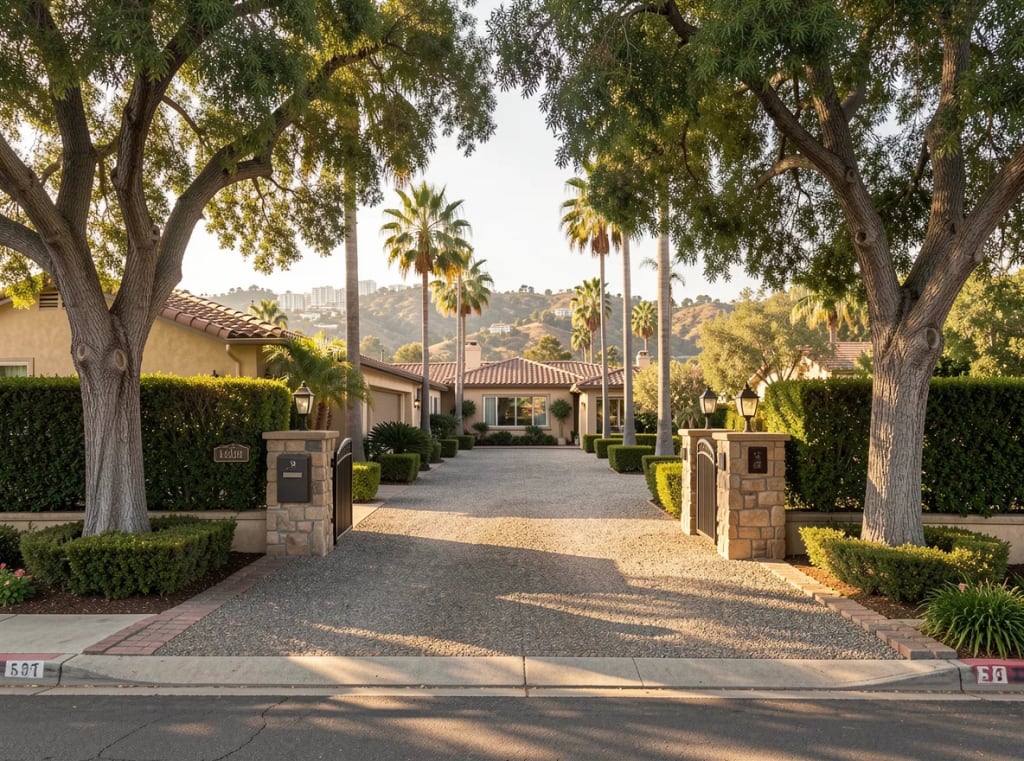
LA Home Search Reality Check: 6 Tradeoffs Worth Discussing Early
The LA Home Search Gets Easier When You Name the Tradeoffs Early
House hunting in Los Angeles has a way of making almost every buyer feel optimistic on day one and conflicted by week two. A home has the kitchen you love but not the yard. Another puts you near work but stretches the budget. A third checks nearly every box, yet the commute, schools, or renovation needs start to raise questions. That tension is normal, and in a market as layered as greater Southern California, the smartest move is not pretending tradeoffs do not exist. It is talking through them early, clearly, and without judgment.
At Leff Real Estate Group, one of the most valuable parts of the process is helping buyers separate wish-list language from real-world priorities. That does not mean lowering standards. It means understanding where flexibility creates opportunity and where compromise leads to regret. In Westlake Village, the San Fernando Valley, and across the broader LA area, successful buyers tend to win by making thoughtful decisions before emotions take over.
Tradeoff number one: location versus square footage. This is often the first major fork in the road. Buyers may picture a larger home with an extra bedroom, bonus room, or bigger backyard, only to discover that those features are more attainable farther from their preferred neighborhood core. On the other hand, a smaller home in a highly connected area can offer easier access to work, recreation, dining, and community life. The right answer depends on how you actually live. If your weekdays revolve around commuting, school drop-offs, and staying close to favorite amenities, location may deliver daily value that a larger floor plan cannot. If you work from home or expect to stay in place for years, extra space may matter more than shaving minutes off a drive.
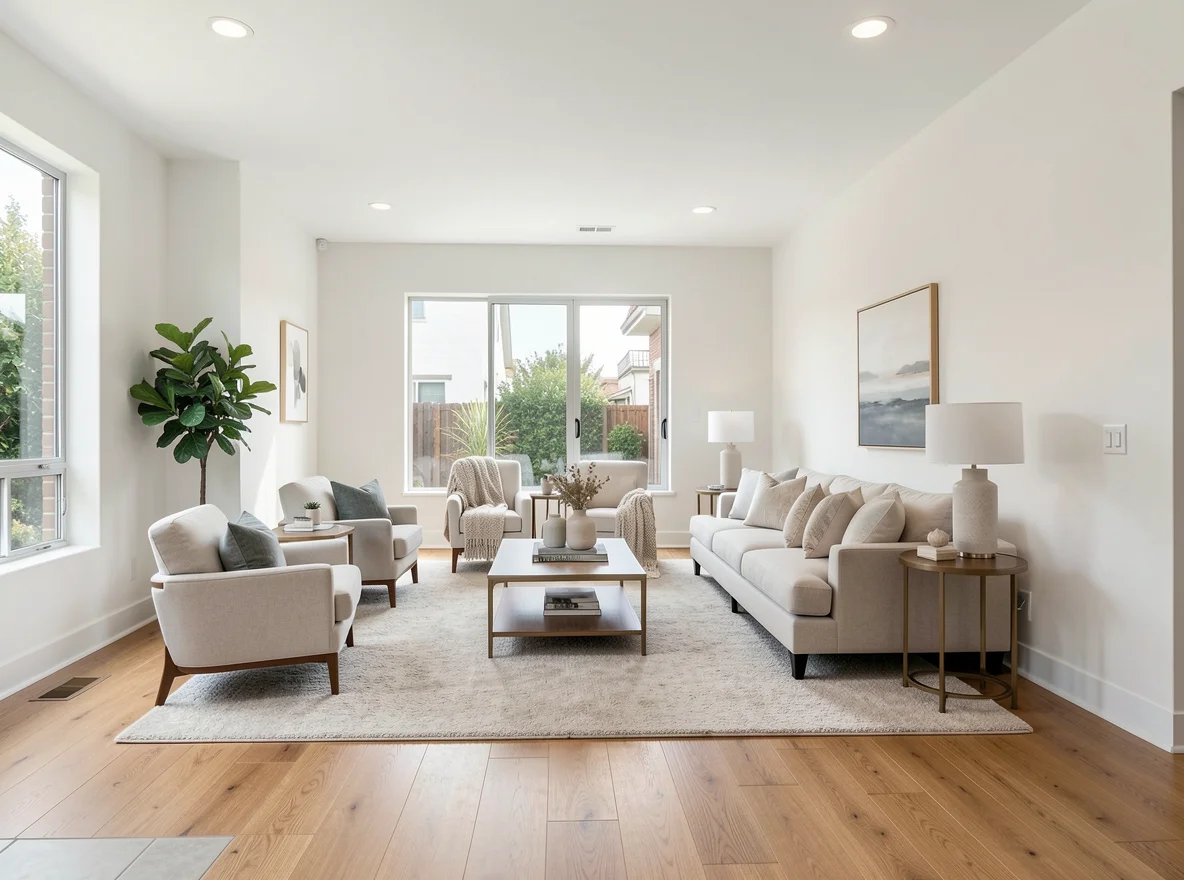
Tradeoff number two: move-in ready versus long-term upside. In LA, beautifully updated homes generate immediate excitement because they photograph well, show well, and feel easy. But they often come with stronger competition and premium pricing. Homes that need cosmetic work, by contrast, can create room for strategy. New paint, flooring, lighting, and thoughtful renovations may unlock value over time. The key question is not whether a property needs work; it is whether you have the budget, patience, and appetite to take that work on. Some buyers truly want a project. Others want keys, a couch, and one quiet weekend. Knowing which camp you are in can save enormous frustration.
Six Conversations That Can Prevent Buyer Fatigue
Tradeoff number three: monthly payment versus lifestyle flexibility. It is easy to focus only on what a lender says you can afford. It is more useful to ask what payment level still leaves room for the life you want. Southern California living often includes travel, activities, dining, fitness, childcare, and all the small expenses that shape real quality of life. A home at the very top of your range may look manageable on paper, but if it leaves no breathing room, the stress can follow you long after closing. Strong advisory guidance means discussing not just buying power, but comfort.
Tradeoff number four: schools versus short-term convenience. Even buyers without children often pay close attention to school districts because of resale strength and neighborhood stability. For households with kids, that conversation becomes even more central. The challenge is that homes in preferred school zones can require compromises elsewhere, whether in price, lot size, age of home, or access to certain commute routes. This is where early clarity matters. If schools are a top-tier priority, they should shape the search from the start instead of becoming a late-stage filter after you have fallen in love with the wrong house.
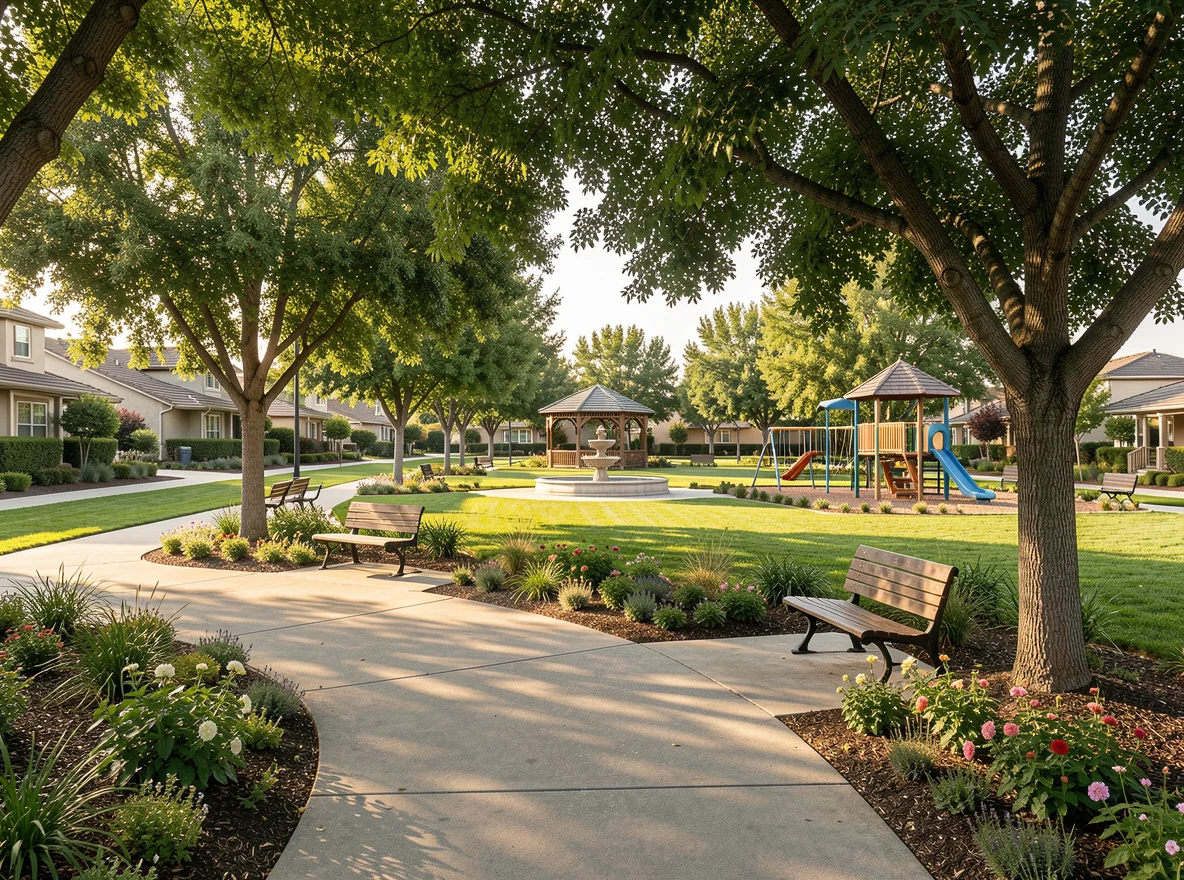
Tradeoff number five: charm versus maintenance. Character homes can be incredibly appealing. Mature landscaping, unique architecture, original detailing, and established streets often create an emotional response that newer construction cannot duplicate. But charm sometimes brings older systems, less efficient layouts, or ongoing upkeep. Newer homes can offer easier ownership, better storage, and more current finishes, yet may feel less distinctive. Neither is automatically better. The better fit is the one aligned with how much time and energy you want to devote to the home after move-in.
Tradeoff number six: speed versus selectivity. In an active market, buyers sometimes feel pressure to move quickly on every promising listing. And yes, there are moments when decisive action matters. But speed without a framework can lead to second-guessing. A clear plan helps buyers act fast on the right home rather than react emotionally to every home. That is especially important in competitive pockets of LA County and Ventura County, where inventory, pricing, and timing can shift quickly. Boutique representation adds value here because personalized guidance can keep the process grounded instead of frantic.
These conversations are not meant to make the search feel more complicated. They are meant to make it more honest. Once you know your true non-negotiables, everything else starts to sharpen. You stop chasing homes that only work in theory. You compare properties more effectively. You notice value where others see flaws, and you avoid paying a premium for features that do not actually improve your day-to-day life.
A Better Search Starts With Better Questions
Los Angeles buyers are not just choosing bedrooms and bathrooms. They are choosing routines, neighborhoods, weekend rhythms, school paths, and future options. The most successful searches usually begin with a simple shift: instead of asking, “Can we find everything?” ask, “What matters most, and what are we willing to flex on?” That is where strong advisory support becomes so important. A personalized approach can bring calm to a process that often feels noisy.
Whether you are exploring Westlake Village for its balance of community feel and access, looking farther across Southern California for space or value, or trying to narrow a long list of competing priorities, the goal is not perfection. It is fit. The right home is often the one that reflects your priorities honestly, supports your lifestyle consistently, and still feels like a smart move years from now. When those six tradeoffs are discussed early, your search becomes less reactive, more strategic, and far more likely to end with confidence.
